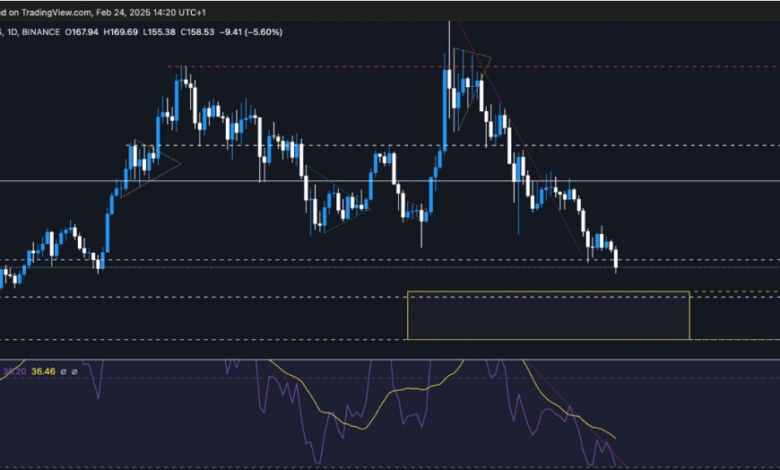
Introduction to Technical Indicators on the Solana Chart
Technical indicators enhance chart analysis by transforming price data into actionable insights. When applied to the solana chart, indicators such as RSI, MACD, and moving averages help traders understand momentum, trend strength, and possible reversal points.
While indicators don’t guarantee profits, they significantly improve decision-making when used correctly.
Why Indicators Matter in Solana Chart Analysis
Indicators simplify complex price movements.
Key Benefits
- Identify trend direction
- Measure momentum
- Confirm breakouts and reversals
- Reduce emotional trading
Using indicators alongside price action creates a balanced strategy.
Moving Averages on the Solana Chart
Moving averages smooth price data to highlight trends.
Types of Moving Averages
- Simple Moving Average (SMA)
- Exponential Moving Average (EMA)
How to Use Them
- Price above MA = bullish trend
- Price below MA = bearish trend
- Crossovers often signal trend changes
Moving averages work best on higher timeframes.
RSI (Relative Strength Index) Explained
RSI measures momentum on a scale of 0 to 100.
Key RSI Levels
- Above 70: Overbought
- Below 30: Oversold
- Around 50: Neutral momentum
On the Solana chart, RSI helps identify potential reversals and trend strength.
MACD Indicator on the Solana Chart
MACD shows momentum and trend direction.
MACD Components
- MACD line
- Signal line
- Histogram
MACD Signals
- Bullish crossover
- Bearish crossover
- Divergence with price
MACD is effective for confirming trend changes.
Combining RSI, MACD, and Moving Averages
Using indicators together improves accuracy.
Example Strategy
- Moving average confirms trend
- RSI checks momentum
- MACD confirms entry timing
This combination reduces false signals.
Best Timeframes for Indicator Use
Indicator reliability increases on higher timeframes.
Recommended Timeframes
- Daily for investors
- 4-hour for swing traders
- Avoid very short timeframes as beginners
Consistency matters more than speed.
Common Mistakes When Using Indicators
Avoid these errors:
- Using too many indicators
- Ignoring price action
- Overtrading based on signals
Indicators should support decisions, not replace judgment.
FAQs About Technical Indicators and the Solana Chart
1. Which indicator is best for beginners?
Moving averages are the simplest to understand.
2. Can RSI work alone?
RSI works best when combined with other indicators.
3. Are indicators accurate during high volatility?
Accuracy may decrease; confirmation is essential.
4. Do indicators lag price movement?
Yes, most indicators are lagging by nature.
5. Should long-term investors use indicators?
Yes, especially moving averages and RSI.
6. Where can I apply these indicators?
Platforms like TradingView offer all major indicators.
Conclusion: Strengthen Your Analysis with Solana Chart Indicators
Indicators such as RSI, MACD, and moving averages provide valuable insights when applied to the solana chart. By combining them with price action and trend analysis, traders can make more informed decisions and manage risk more effectively.