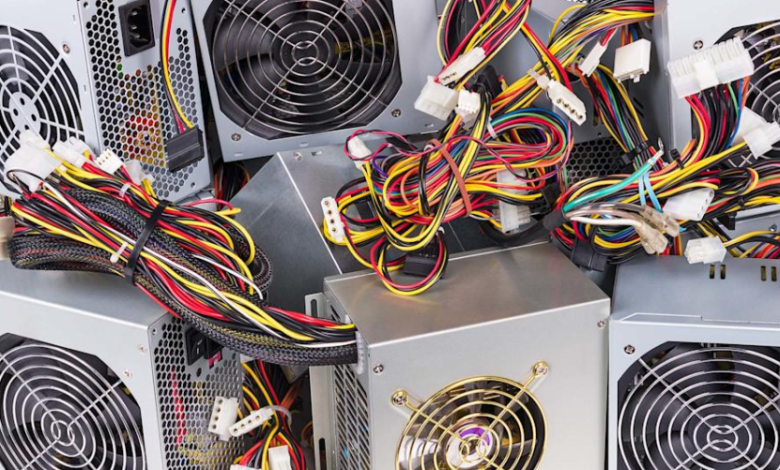
In the modern world, air conditioners (ACs) are essential for comfort, especially in regions with extreme temperatures. But one key component that often goes unnoticed is the PSU AC, or the Power Supply Unit of an air conditioner. This component is crucial for the efficient operation and longevity of your AC. In this article, we will explore what a PSU AC is, its functions, types, maintenance tips, and answer some frequently asked questions.
What is a PSU AC?
A PSU AC (Power Supply Unit for Air Conditioners) is an electronic device that converts electrical power from the main supply into the correct voltage, current, and frequency required by the AC components. Essentially, it acts as the heart of the air conditioning system, ensuring that every component receives stable and safe power for optimal performance.
Modern ACs are equipped with electronic control boards, inverters, and sensors that require a regulated power supply. Without a reliable PSU, these components can malfunction, leading to reduced efficiency, frequent breakdowns, or even complete AC failure.
See also: How Long Can Bedbugs Live Without Feeding?
Functions of a PSU AC
The PSU AC serves several critical functions:
- Voltage Regulation: It stabilizes voltage fluctuations, preventing damage to sensitive electronic components.
- Current Protection: It protects the AC from overcurrent or short circuits.
- Power Conversion: It converts AC mains voltage into the DC voltage required by the inverter and electronic circuits.
- Efficiency Optimization: By delivering consistent power, it ensures that the AC operates efficiently, reducing energy consumption and extending the appliance’s life.
- Safety Features: Many PSU ACs include protective features like surge protection, thermal protection, and fault detection.
Types of PSU AC
There are different types of PSU AC systems depending on the AC technology and power requirements:
- Linear Power Supply: This is the traditional type, which uses transformers and rectifiers to convert AC to DC. It is reliable but less efficient.
- Switch Mode Power Supply (SMPS): Modern ACs mostly use SMPS, which is more energy-efficient, compact, and capable of providing regulated power over a wide range of input voltages.
- Inverter PSU: Used in inverter ACs, this PSU adjusts power dynamically to control the compressor speed, enhancing energy efficiency and reducing wear on mechanical components.
Common Issues with PSU AC
Despite being robust, PSU ACs can encounter several issues:
- Overheating: Caused by high ambient temperatures or dust accumulation.
- Voltage Fluctuations: Can damage the PSU if not equipped with surge protection.
- Component Failure: Capacitors, diodes, or ICs inside the PSU can fail over time.
- Improper Installation: Incorrect wiring or installation may lead to power inconsistencies.
Maintenance Tips for PSU AC
Maintaining the PSU AC can enhance its lifespan and the overall performance of your air conditioner:
- Regular Cleaning: Dust and debris can cause overheating; clean the AC and PSU area periodically.
- Check Voltage Supply: Ensure that the mains supply voltage is stable.
- Inspect for Wear: Periodically check for burnt components, loose connections, or swelling capacitors.
- Professional Servicing: For any technical issue, consult a certified technician to avoid further damage.
Benefits of a Quality PSU AC
Investing in a high-quality PSU AC offers multiple benefits:
- Prolonged AC lifespan
- Improved energy efficiency
- Reduced repair and maintenance costs
- Enhanced performance and consistent cooling
- Protection from electrical hazards
Frequently Asked Questions (FAQs)
Q1: Can a PSU AC be replaced easily?
Yes, a PSU AC can be replaced, but it requires technical expertise. Always hire a certified technician to avoid electrical hazards.
Q2: How do I know if my PSU AC is faulty?
Common signs include AC not turning on, frequent tripping of circuit breakers, unusual noises, or inconsistent cooling.
Q3: Is PSU AC necessary for all types of air conditioners?
Yes, every modern AC relies on a PSU to power its electronic circuits, though the type of PSU may vary (linear, SMPS, inverter).
Q4: Can a voltage stabilizer protect the PSU AC?
Yes, a voltage stabilizer can protect your AC from sudden voltage fluctuations, reducing the risk of PSU damage.
Q5: How long does a PSU AC last?
With proper maintenance, a PSU AC can last 5-10 years, depending on usage and electrical conditions.
Conclusion
The PSU AC is a vital yet often overlooked component of modern air conditioners. Its role in providing stable power ensures the AC runs efficiently, safely, and with minimal wear and tear. Understanding the PSU AC, its types, and maintenance requirements can save you from unexpected breakdowns and costly repairs. Investing in a high-quality PSU AC and taking preventive measures ensures consistent performance, energy efficiency, and long-term reliability of your air conditioning system.